

Over the past several months, many of the nation’s largest utilities have released their 5-year capital plans. Duke Energy, AEP, SoCal Edison, Xcel Energy, and CenterPoint alone account for more than $325 billion in planned investment. Expanded across the entire industry, total capital spending is expected to exceed $1.4 trillion by 2030.
The scale is enormous but the number that deserves the most attention isn’t the total spend. It’s the risk attached to executing this volume of work.
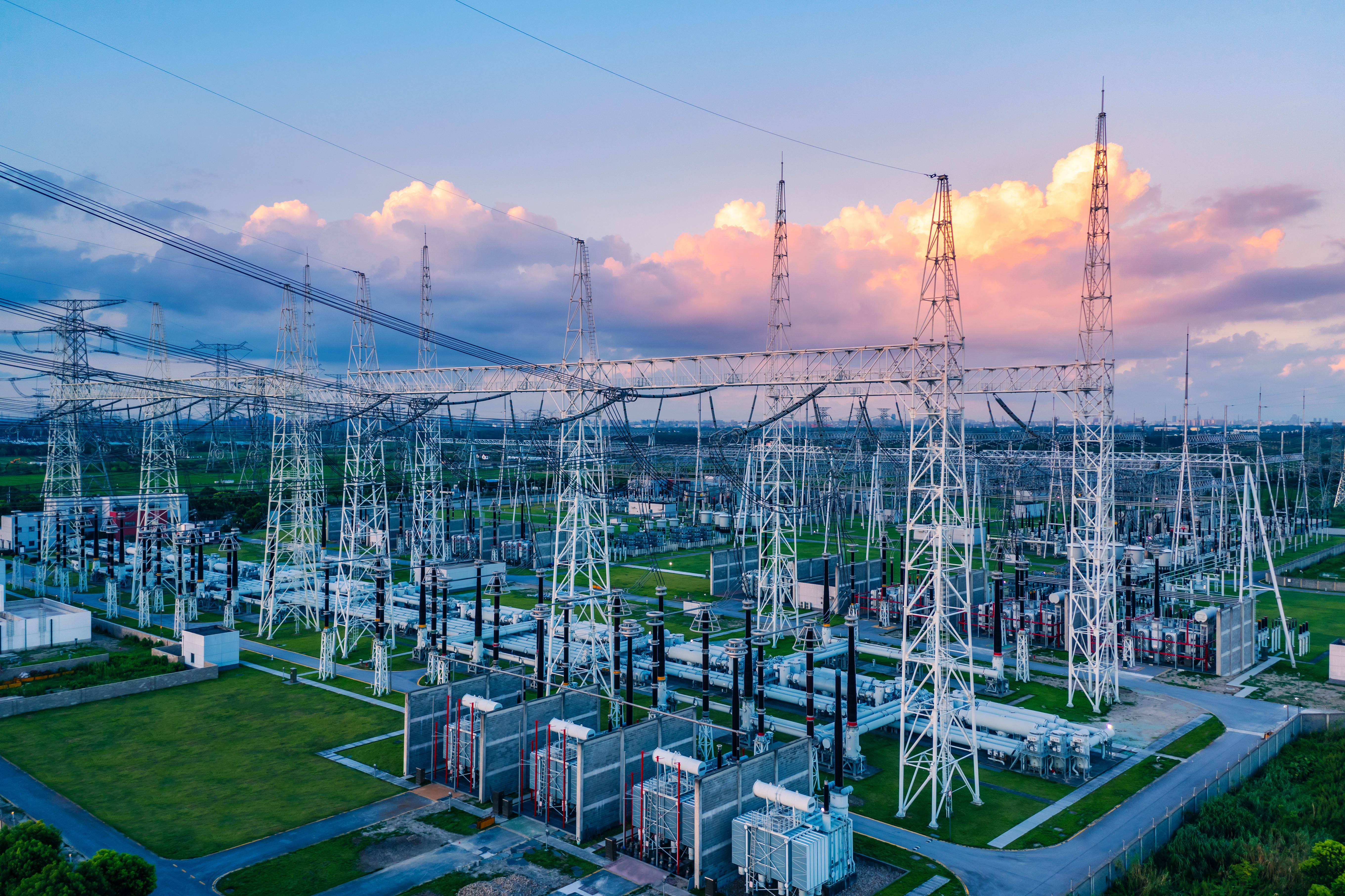
The Overrun Problem Isn’t Going Away
Industry research continues to show a consistent trend: 15–20% cost overruns remain common on major utility and energy projects. Applied across a $1.4 trillion pipeline, that translates into hundreds of billions in unplanned costs over the coming decade. And the risk is increasing as project complexity grows.
Why is this happening? Because demand is rising faster than traditional delivery models can support:
• Data centers are driving load growth.
• Electrification of vehicles, buildings, and industry is accelerating.
• Renewable interconnections are expanding rapidly.
Utilities must now deliver more projects, more quickly, and with greater precision than at any point in recent history.
The Workload Is Growing and So Is the Complexity
Upcoming capital programs include:
• Grid modernization
• Transmission expansion
• Substation builds and upgrades
• Resiliency and undergrounding initiatives
These aren’t standalone efforts; they are interconnected systemwide upgrades. A delay or inefficiency in any one area can ripple across the entire grid.
This raises a few critical questions:
• How much is your organization planning to invest over the next five years?
• What overrun risks are already factored into those plans?
• And what can be done now to improve project execution as demand accelerates?
Where the Industry Is Looking for Answers
Utilities are not standing still. Several strategies are gaining momentum across the sector as companies look to improve delivery, reduce risk, and prepare for demand.
1. Advanced Technology
Utilities are increasingly adopting platforms that provide end-to-end project control, real-time visibility, and digital collaboration. Examples include:
• Autodesk/SBS for intelligent 3D modeling, permission-based workflows, and common data environments
• Autodesk Construction Cloud for integrated design and construction management
• Bluebeam for digital markups and collaborative design review
• Leica tools for field measurement, survey data integration, and geospatial modeling
• IMAGINiT FormsConnected for real-time field data, inspections, and quality checks
These solutions as well as many others help teams detect conflicts earlier, reduce rework, and coordinate more effectively across engineering, construction, operations, and contractors.
2. Strengthening Training and Workforce Development
As technology and project complexity grow, the workforce must evolve. Leading utilities are investing in:
• Upskilling engineering and construction teams
• Training on modern workflows and digital platforms
• Updating delivery standards and processes
With industry-wide labor shortages, organizations that invest early in people will see the greatest productivity gains.
3. Better Standards and Documentation
A significant portion of overruns can be traced to inconsistent designs and documentation. To combat this, utilities are:
• Developing reusable templates
• Strengthening engineering standards
• Centralizing documentation
• Improving version control and audit trails
This reduces rework, accelerates approvals, and increases predictability.
4. Connecting Data Across the Entire Power System
A major opportunity lies in connecting data across all parts of the grid:
Generation → Transmission → Substation → Distribution
Today, hand-offs between these stages often involve manual processes, incomplete data, or incompatible formats. A unified data model helps utilities:
• Catch design and capacity issues earlier
• Avoid delays
• Strengthen asset documentation
A single source of truth isn’t just a technology upgrade—it’s a cost-avoidance strategy.
Looking Ahead
With more than $325 billion in capital already planned—and far more coming—utilities are entering a defining period. Rising demand, rapid technology change, and complex project portfolios mean execution risk is higher than ever.
But the industry also has more tools, data, and capability than at any time in its history.
The question isn’t whether the work must be done. It’s whether we can deliver it efficiently, predictably, and at scale.
How is your organization preparing for this next wave of capital delivery? And where are the biggest challenges still emerging? Contact one of our team members.


