

Construction projects don’t struggle because teams lack tools or expertise, they struggle because critical information is disconnected. Models live in one place, schedules in another, asset data somewhere else, and coordination meetings often end without clear accountability. The result is rework, delays, and constant firefighting.
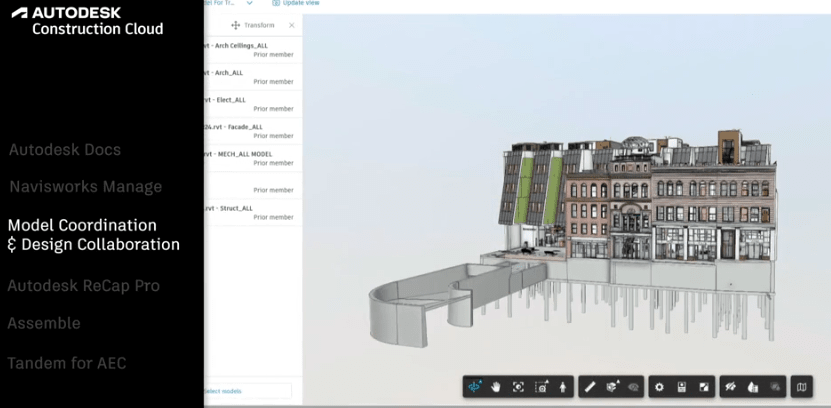
In Turn Coordination Chaos into Connected Control – Part 2, IMAGINiT construction experts demonstrate how Model Management tools in Autodesk Construction Cloud (ACC) brings coordination, planning, and execution together in one connected environment.
Fixing Broken Coordination
ACC enables teams to federate models in structured coordination spaces, automatically detect clashes, and track issues from identification through resolution. Issues are no longer isolated—they’re linked to schedules, RFIs, costs, and meetings, giving teams full context and visibility. Coordination meetings become actionable by assigning tasks, tracking commitments, and maintaining accountability beyond the call.
Turning Schedules into Real Commitments
Traditional schedules often fail in the field because they don’t reflect how work actually gets done. ACC bridges that gap with Work Planning, allowing teams to import schedules from tools like P6 or Microsoft Project and break them into executable plans. Teams can manage dependencies, track percent complete, identify delays early, and gain buy-in from trades, turning plans into predictable execution.
Making Asset Data Actionable
ACC also connects Asset Lifecycle Management to daily workflows. Teams can import and customize asset data, then link assets directly to schedules, forms, RFIs, and installation workflows. Real-time dashboards replace spreadsheets, providing instant insight into progress, risk, and readiness.
Why IMAGINiT Makes the Difference
Technology alone doesn’t solve coordination challenges. IMAGINiT helps construction teams configure ACC to match real-world processes, ensuring adoption, consistency, and measurable results across projects.
The result: fewer coordination breakdowns, less rework, clearer accountability, and more predictable project outcomes, from planning through delivery.
Check part part 1, now available on-demand - Coordination Chaos to Connected Control — Part 1.


