

For transportation agencies and infrastructure owners, changing design platforms is a significant business decision. Years of project data, established standards, familiar workflows, and staff expertise all need careful consideration.
The potential benefits of moving to Autodesk may be compelling, but leaders also need confidence that their teams can make the transition while continuing to deliver projects.
• Will critical information remain usable?
• Will deliverables meet expectations?
• How quickly will employees become comfortable with a new way of working?
These questions deserve attention early. A successful migration starts with a clear plan for managing uncertainty, protecting quality, and preparing people.
Make Risk Reduction Part of the Plan
Before moving from a Bentley environment to Autodesk, organizations should establish what needs to change, what must be preserved, and how success will be evaluated.
For transportation owners, that means considering both internal operations and the requirements placed on consultants and project partners. Standards, data exchanges, review processes, and deliverable expectations all influence how smoothly a transition progresses.
A practical migration plan should address:
• Data readiness: What information needs to move, and how will its usability be checked?
• Standards and workflows: Which templates, configurations, and processes need to be adapted?
• Project continuity: How will the transition align with active commitments and upcoming work?
• Team readiness: What training and guidance will employees need to work confidently?
Answering these questions helps leaders make informed decisions about scope, timing, and resources.
Add Quality Control Where It Matters
One of the most valuable elements of migration support is an additional layer of quality control. Teams need confidence that migrated information supports their work and that new workflows produce the expected results. Building review checkpoints into the process creates opportunities to identify issues, resolve questions, and confirm readiness before expanding adoption.
For example, testing representative data and workflows can help an organization understand where adjustments are needed before applying the same approach more broadly. Agreeing on acceptance criteria also gives technical teams and leadership a shared understanding of what “ready” means.
This brings greater visibility to the transition and helps reduce avoidable rework and uncertainty.
Give Teams a Clear Path Through Change
Even experienced professionals can feel unsettled when familiar tools and processes change. Confidence grows when employees understand what is happening, what is expected of them, and where they can turn for help.
Training should connect new software capabilities to the work people perform every day. Clear documentation, opportunities to practice, and accessible support help employees build proficiency as they adopt new workflows.
A well-managed transition also creates room for questions. When concerns are addressed early and progress is visible, teams can approach the migration with greater clarity and less anxiety.
Bring Experience and Structure to the Transition
IMAGINiT helps organizations manage the technical and operational demands of moving from Bentley to Autodesk. Our approach addresses discovery, data migration and environment development, education, and support, with attention to standards, workflows, and data management.
We also bring a steady, experienced presence to the process. By helping teams work through decisions, adding quality control, and supporting adoption, we help organizations build confidence in both the transition and their ability to work effectively afterward.
The objective is a controlled, manageable migration that supports your organization’s goals and gives your people a clear path forward.
Explore Your Next Step
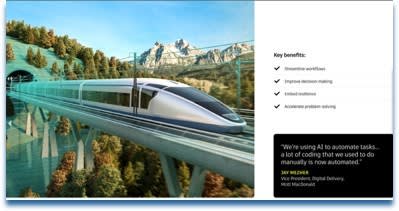
Considering a move from Bentley to Autodesk? Explore Autodesk’s new eBook for transportation owners as you evaluate your options.
Connect with IMAGINiT’s migration experts to discuss your current environment, project requirements, and adoption goals and how we can help you move forward with greater confidence.


